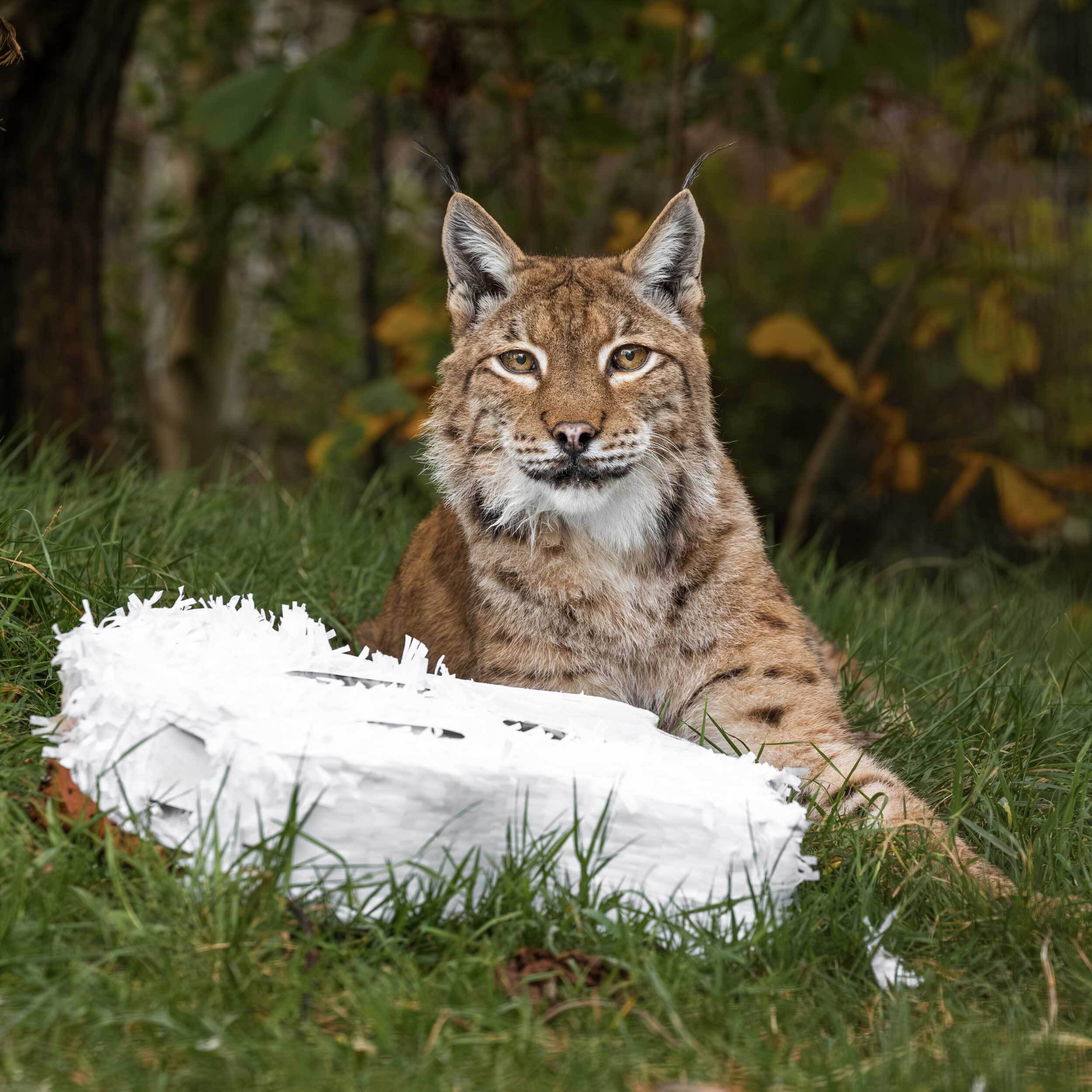
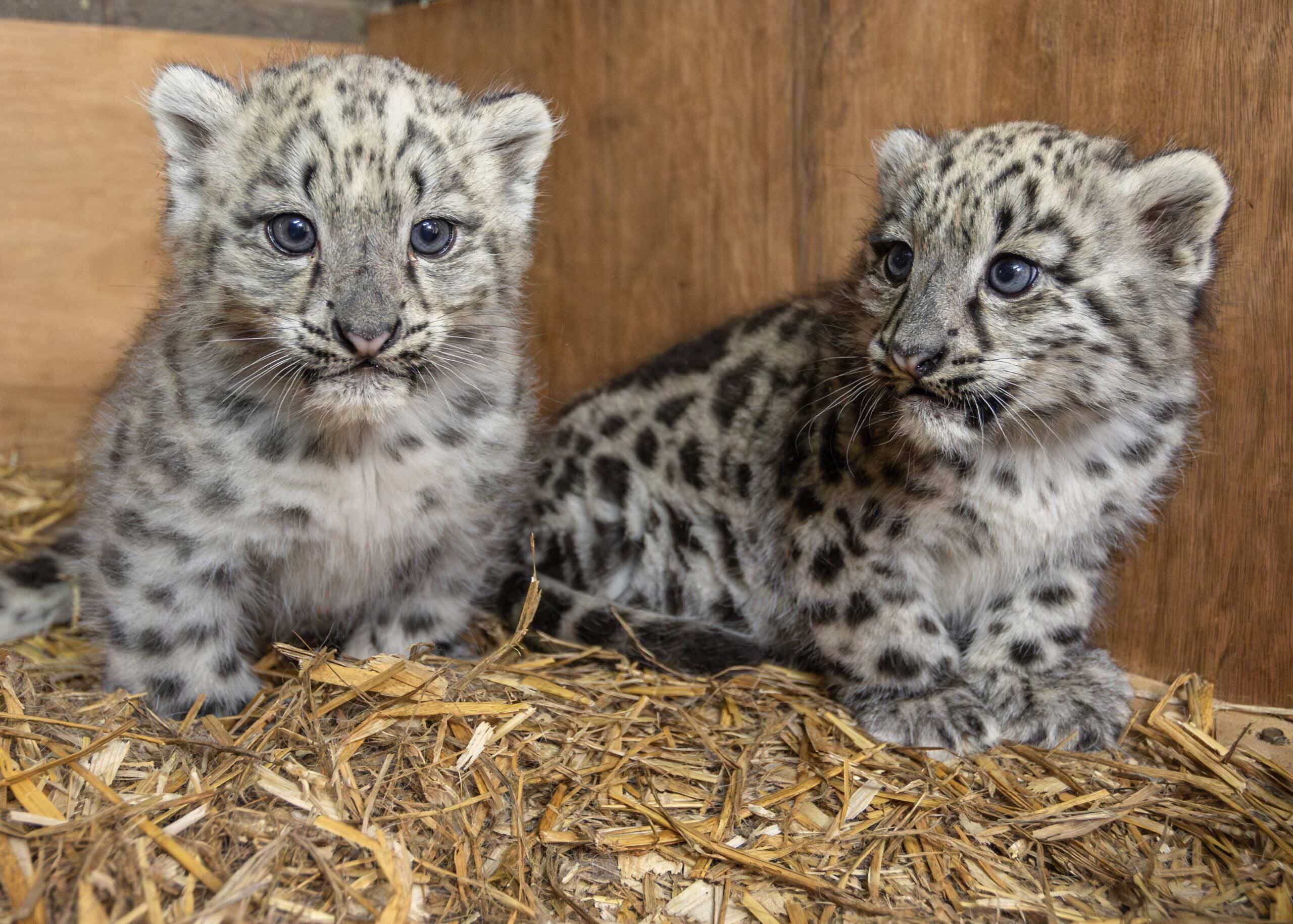
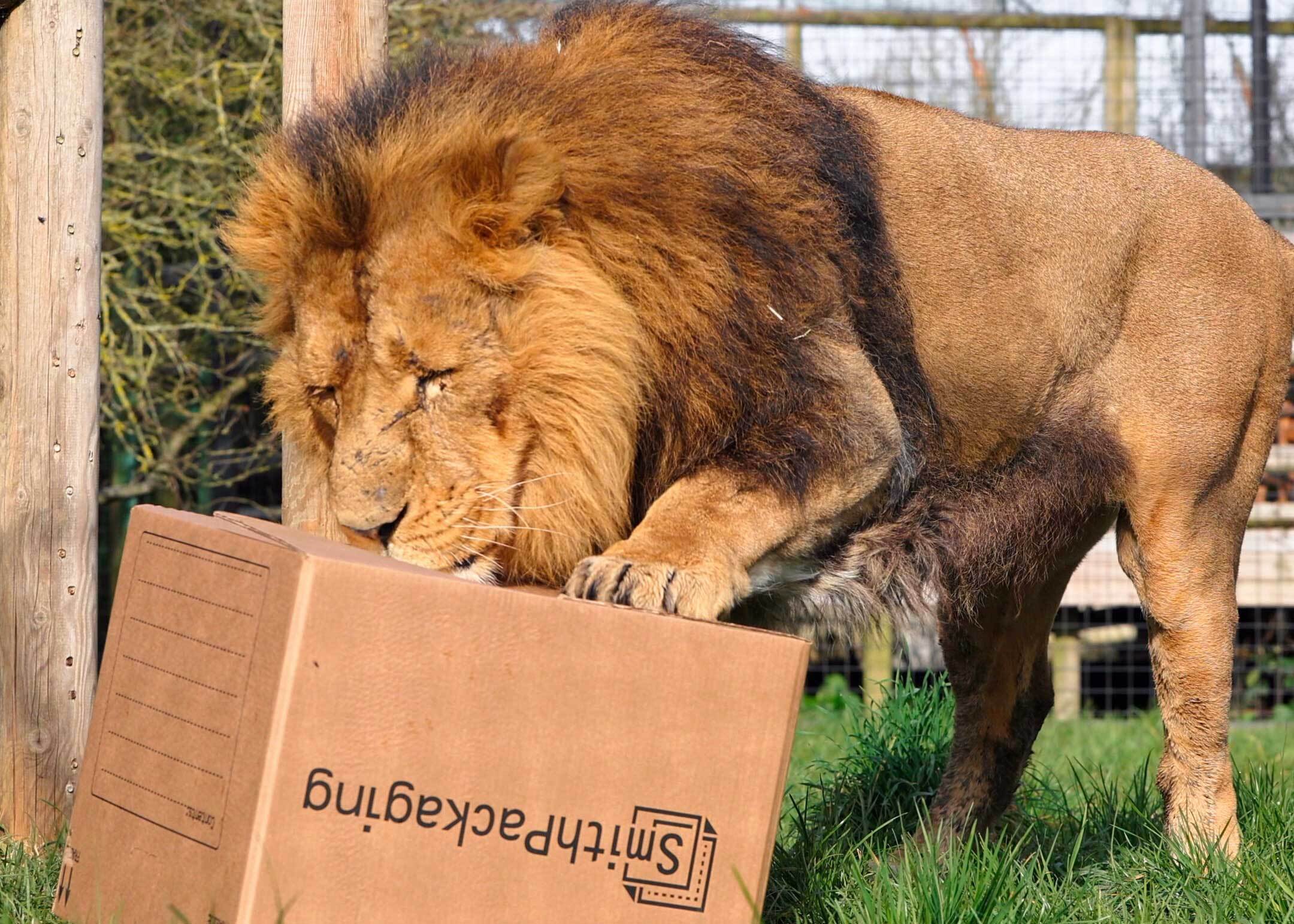
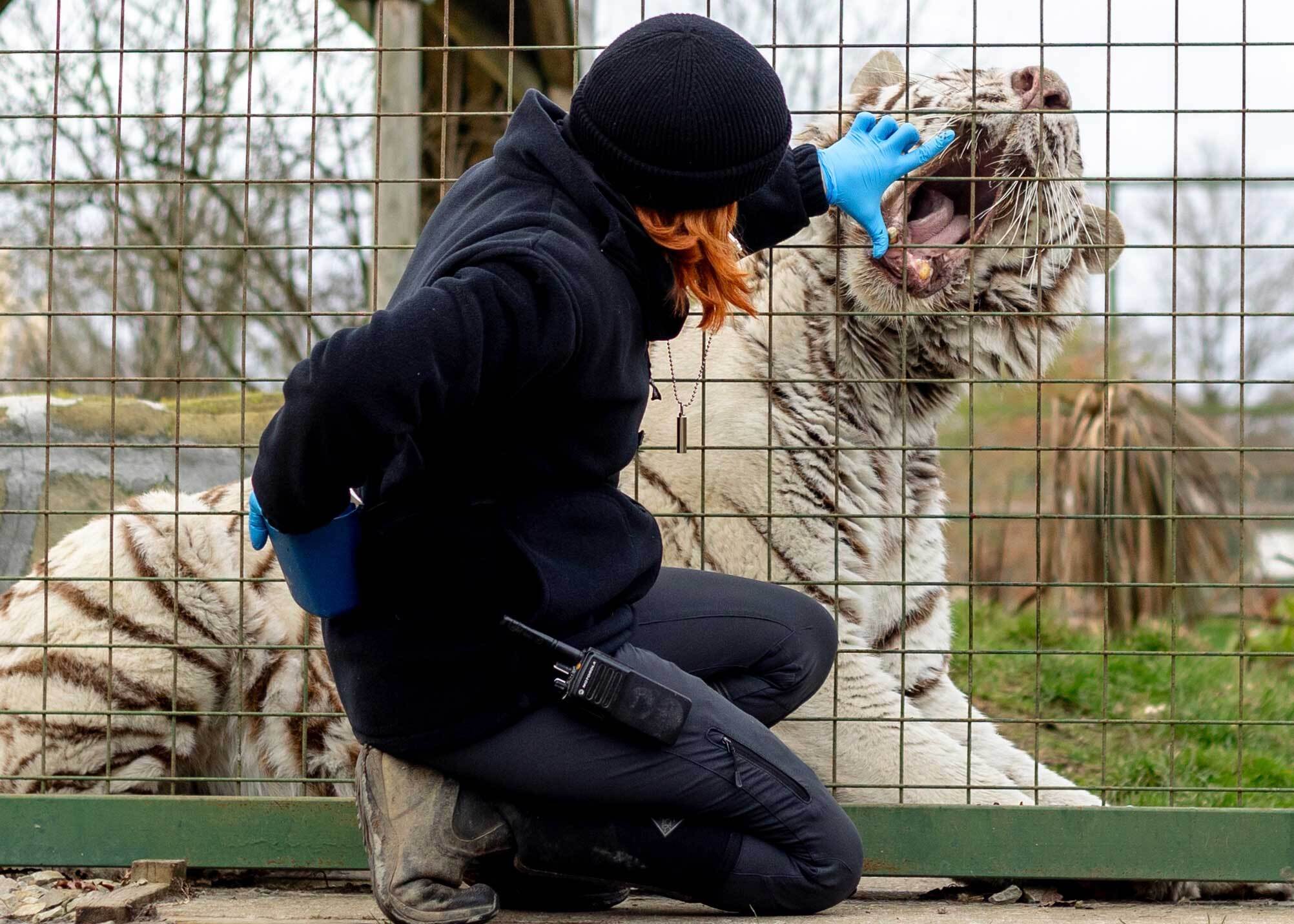
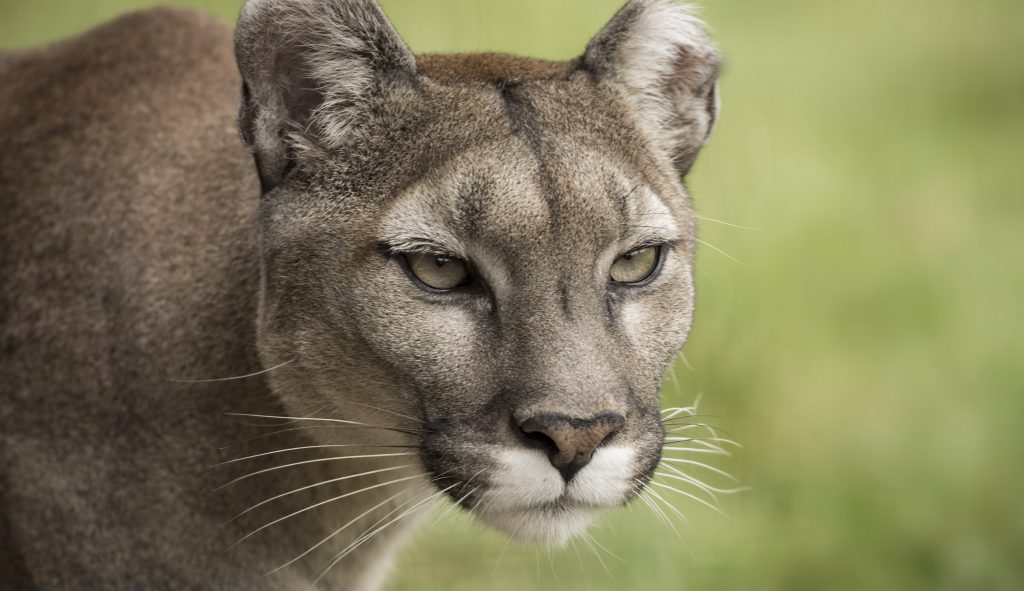
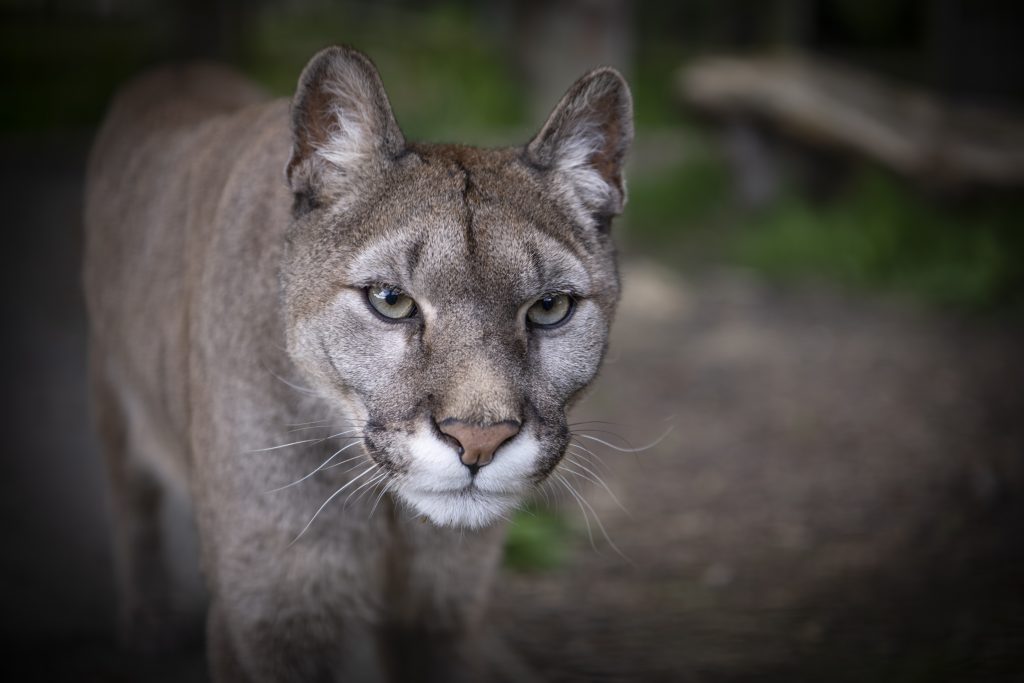
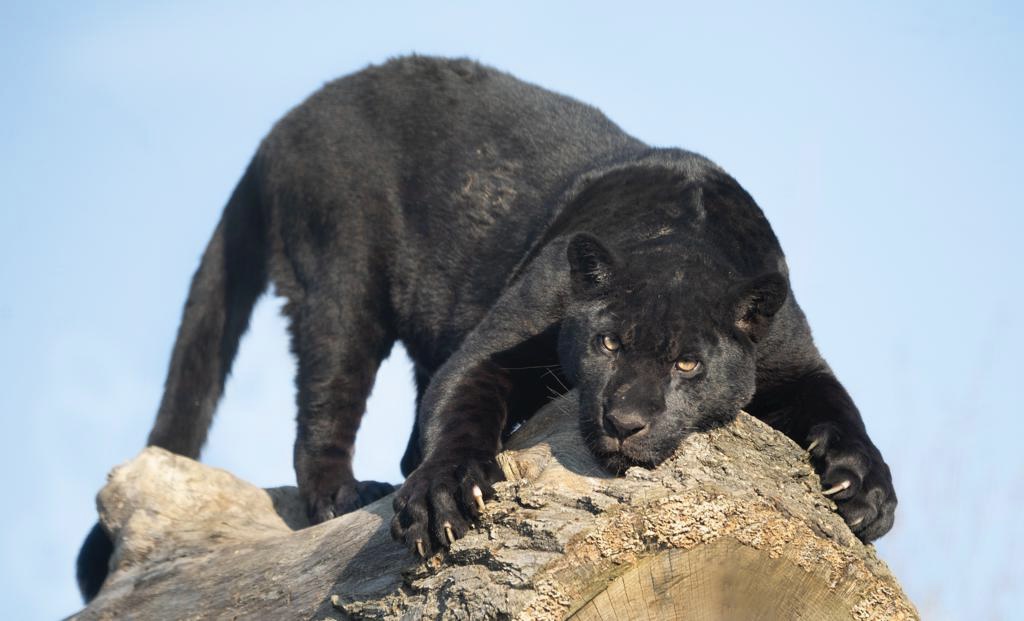
With dark features, taupe coloured gems for eyes and a distant but seemingly thoughtful aura about her. Twin sister Valentina is far more bold but together they are a force to be reckoned with.
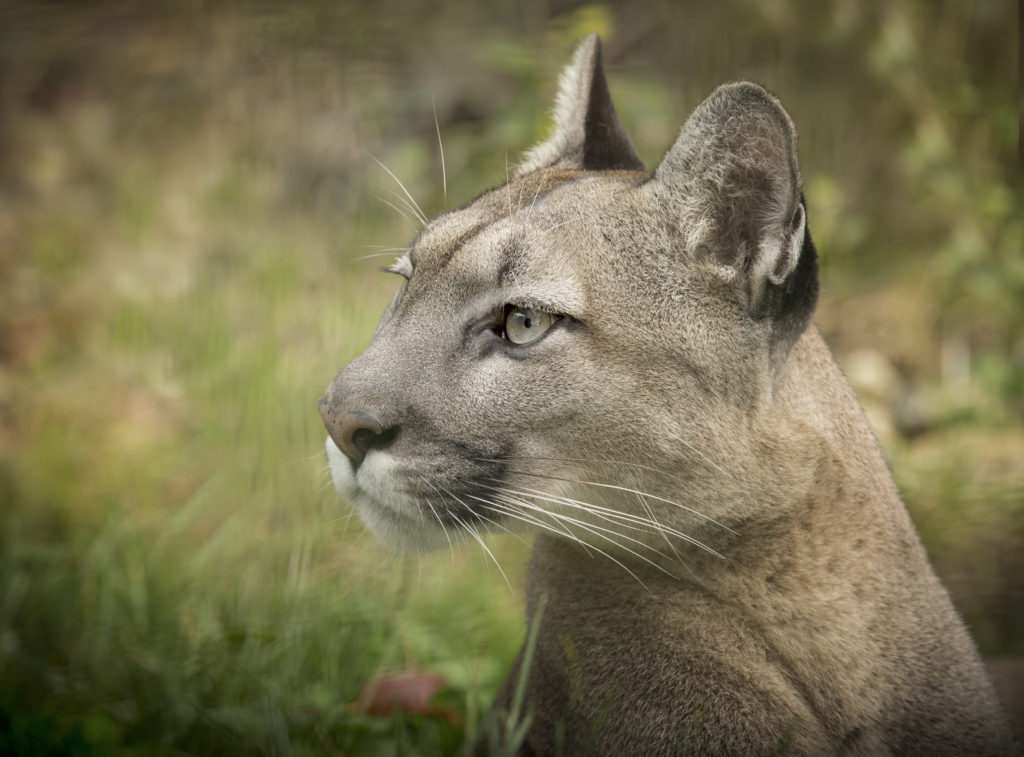
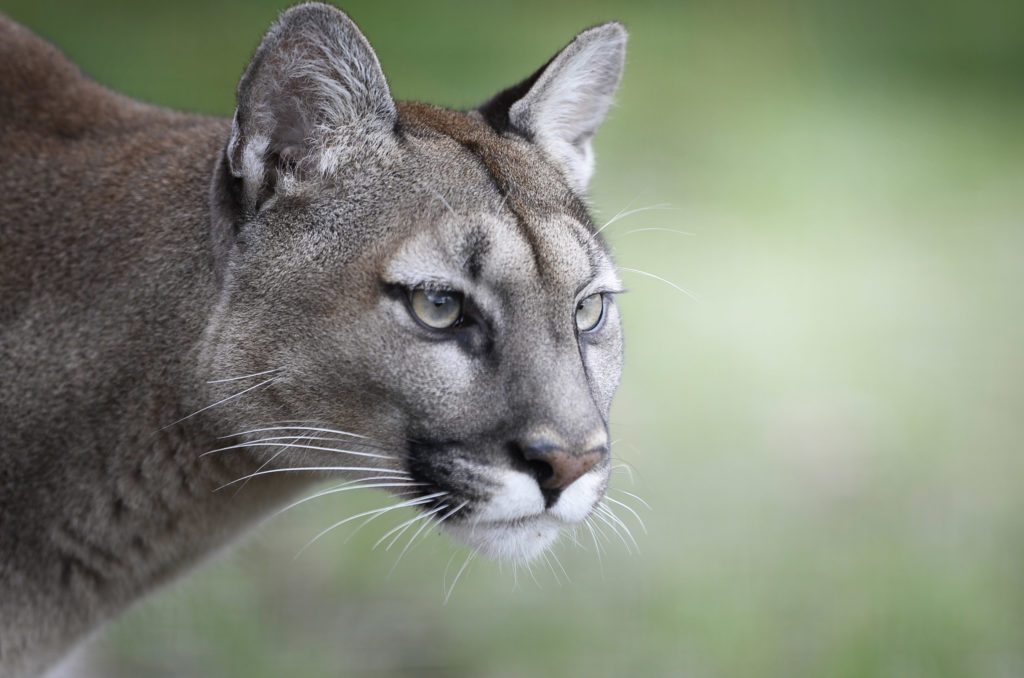
Viktoria is one of the two Puma sisters who live at The Big Cat Sanctuary.
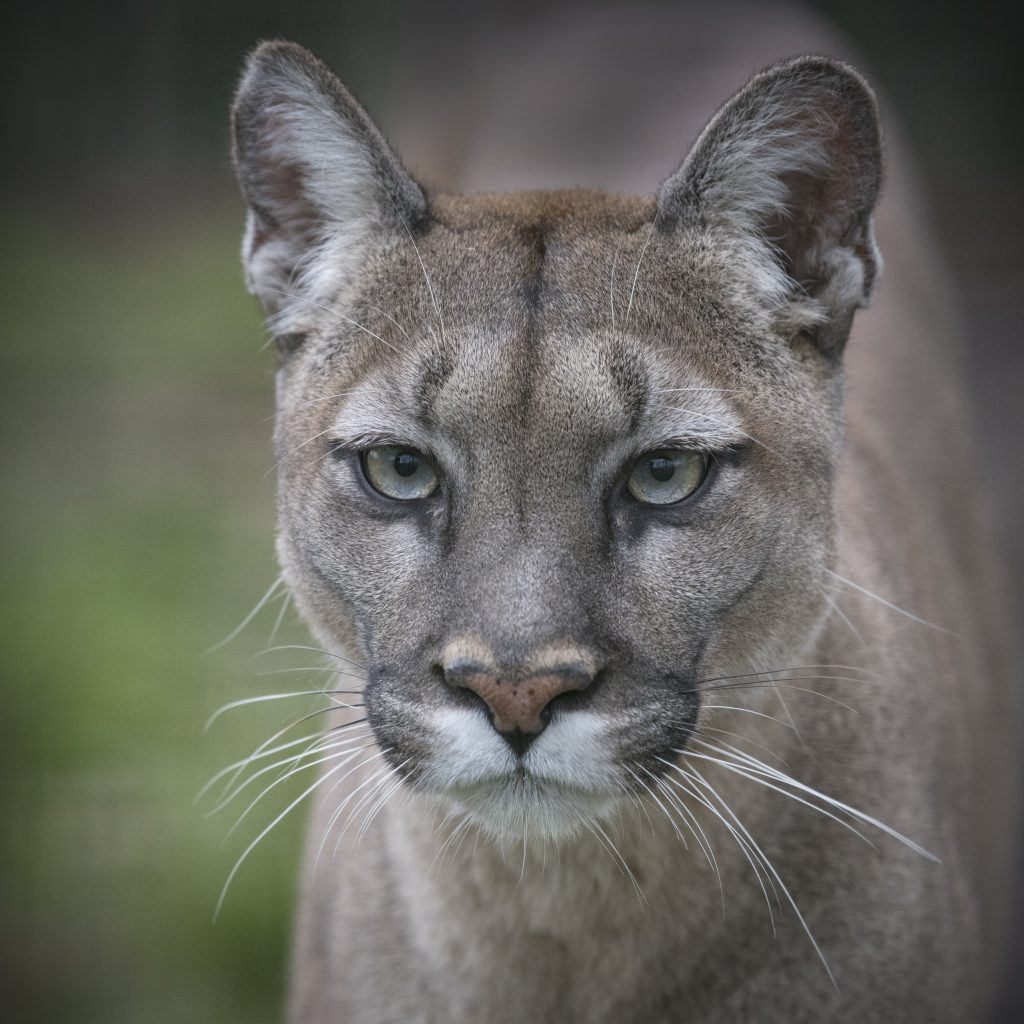
Viktoria is easily identifiable from her sister Valentina as her ears are all intact!
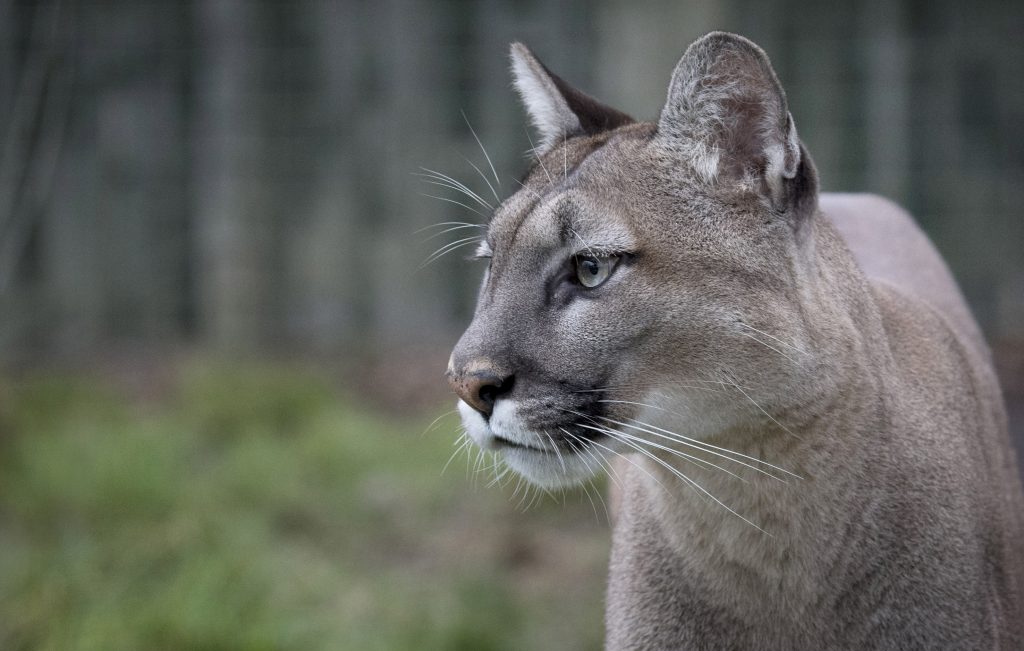
Adult pumas are entirely one colour, as referenced in their name ‘concolor’ which is Latin for ‘of the same colour’.
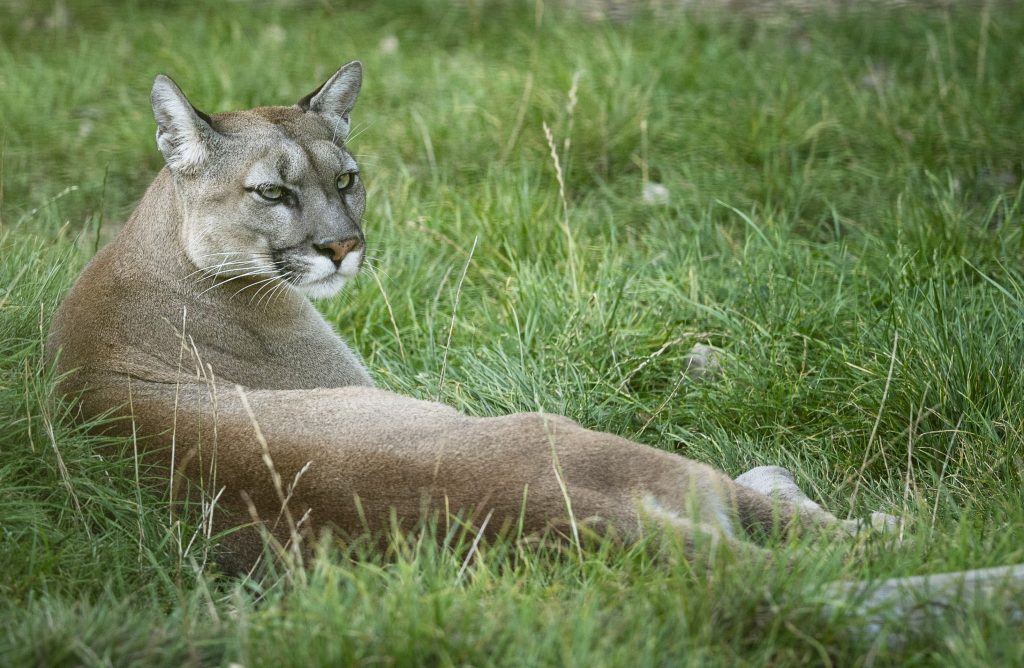
They can be found in a variety of habitats across the Americas. Those living in the mountains are greyer in colour while those in the jungle are darker.
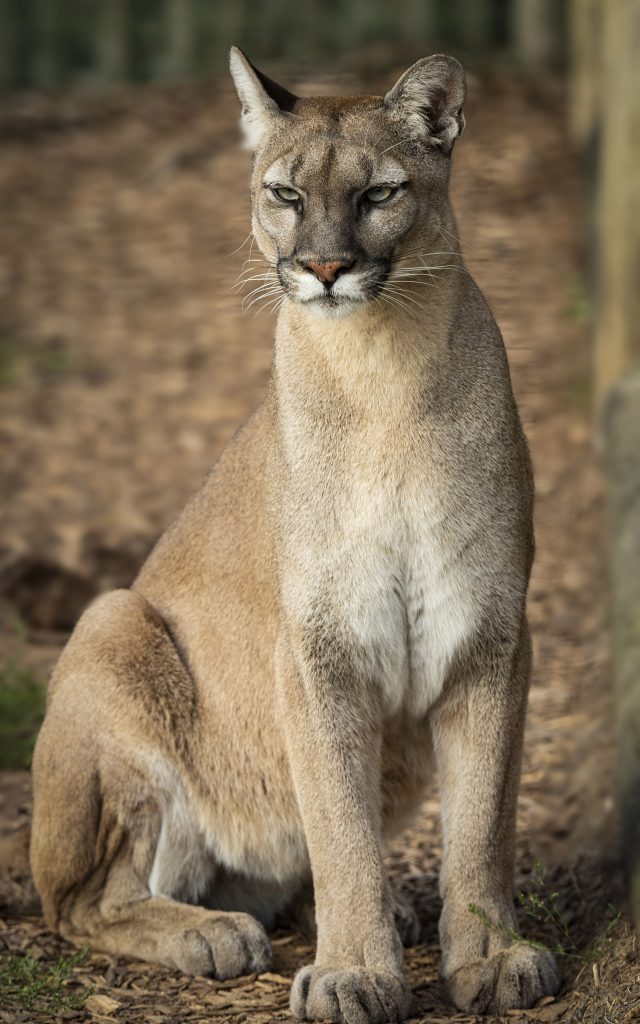
Pumas have more names than any other species of cat
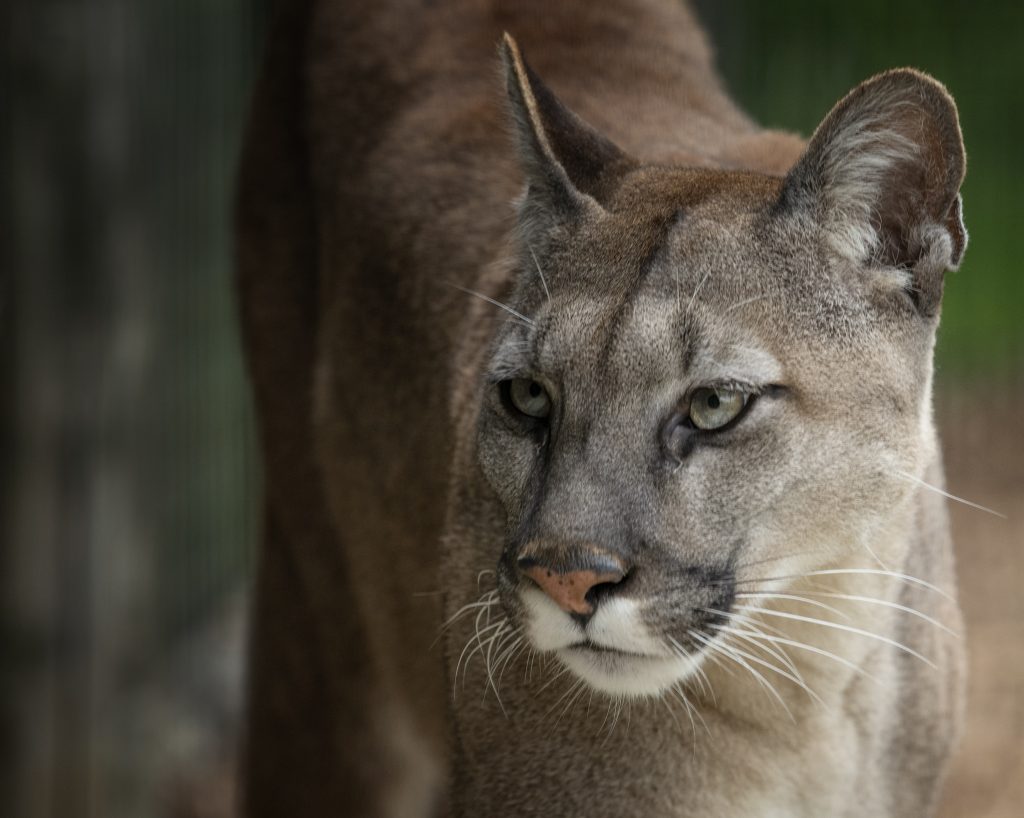
Pumas make a variety of vocalisations including purrs, chirrups and little chuffs too
Lorem ipsum dolor sit amet, consectetur adipiscing elit, sed do eiusmod tempor incididunt ut labore et dolore magna aliqua. Ut enim ad minim veniam, quis nostrud exercitation ullamco laboris nisi ut aliquip ex ea commodo consequat.
£1,000 per year to join
With dark features, taupe coloured gems for eyes and a distant but seemingly thoughtful aura about her. Twin sister Valentina is far more bold but together they are a force to be reckoned with.
Puma have the largest range of any cat (from Canada to South America) and have the most different common names (often called cougar, panther, mountain lion, catamount etc.).
Pumas are found in two colour phases; yellow/tawny shades of buff and cinnamon, or grey shades of silver, slate and blue. They have developed adaptations for life in the mountains including a long tail for balance, large feet for balance and weight distributions, relatively small rounded ears to prevent heat loss, and longer hind legs for agile, jumping climbing and balance. Hairs between the pads of their feet enable them to hunt and stalk relatively silently.
Over their range larger animals are found towards the far northern and southern extremes and smaller animals are equatorial. They have exceptionally powerful muscles capable of taking down very large prey; adult males are easily capable of taking adult horses.
Puma vocalise using a range of different hisses, yowls, chirrups and mews. They also frequently “scream”, the reason for this is suspected to be to attract suitable mates for breeding.
Adult puma are solitary except when mating/rearing kittens. Offspring are mainly born year-round after a gestation period of 90 – 96 days. However puma become more seasonal breeders the further north (most kittens being born April – September) and south (birth peak from February – June) in their ranges. Average litter sizes are 1 -6 blind, helpless and spotted kittens. Kittens grow quickly, open their eyes at approximately 7 days, start to eat meat at approximately 6-8 weeks, are fully weaned at 12 weeks but may continue to suckle for as long as the mother allows. The spots start to fade at approximately 6 months, when juveniles start making their own kills.
Dispersing age is approximately 12-18 months at sexual maturity however puma will not start breeding until they have established their own territories; males usually at 3 years and females at 2.5 years.
March 22, 2024
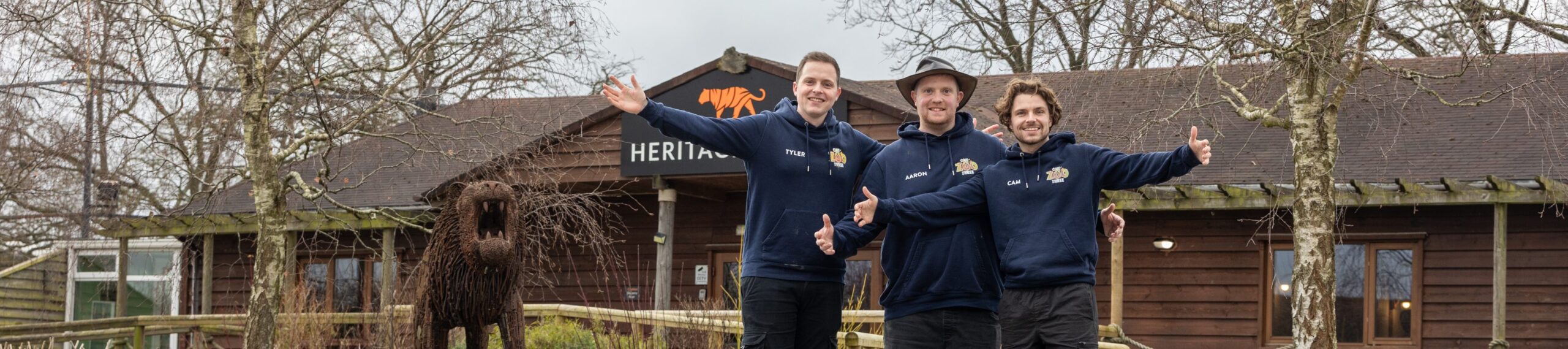
The new series kicks off with a double dose of excitement from the iconic San Diego Zoo and its breathtaking Safari Park in the USA. With over 15,000 animal residents, including Komodo dragons, Galapagos tortoises, and polar bears, get ready to come face to face with nature’s wonders. Join brothers – Aaron, Tyler, and Cam – as they embark on a fact-finding mission
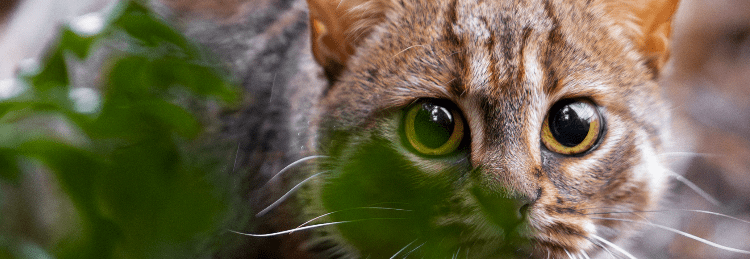
The Big Cat Sanctuary is pleased to announce the newest addition to the family, Kuda, a Sri Lankan Rusty Spotted Cat. Kuda is 5 years old and was born on the 30th of April 2018 at Hamerton Zoo Park. He joined us on Tuesday 13th February after a smooth 3-hour journey from Hamerton.
The London Beach Country Hotel Spa and Golf Club have partnered with The Big Cat Sanctuary for many years and they offer benefits of an excellent charity scheme. The way it works is you are able to enjoy Sunday lunch, cream teas, lunches, dinners and even a round of golf and the full value of the food including the green fees for golf ate donated to The Big Cat Sanctuary as the charity of your choice.