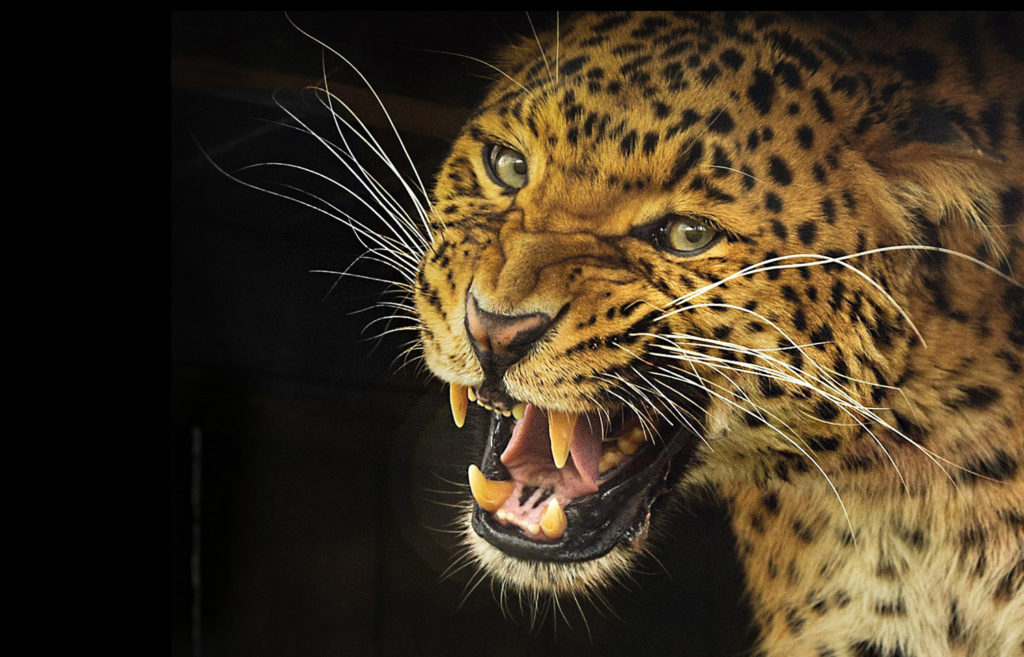
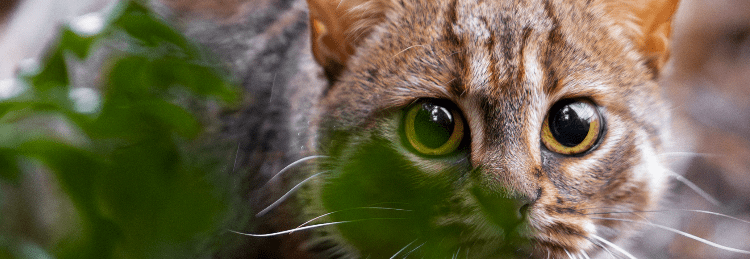
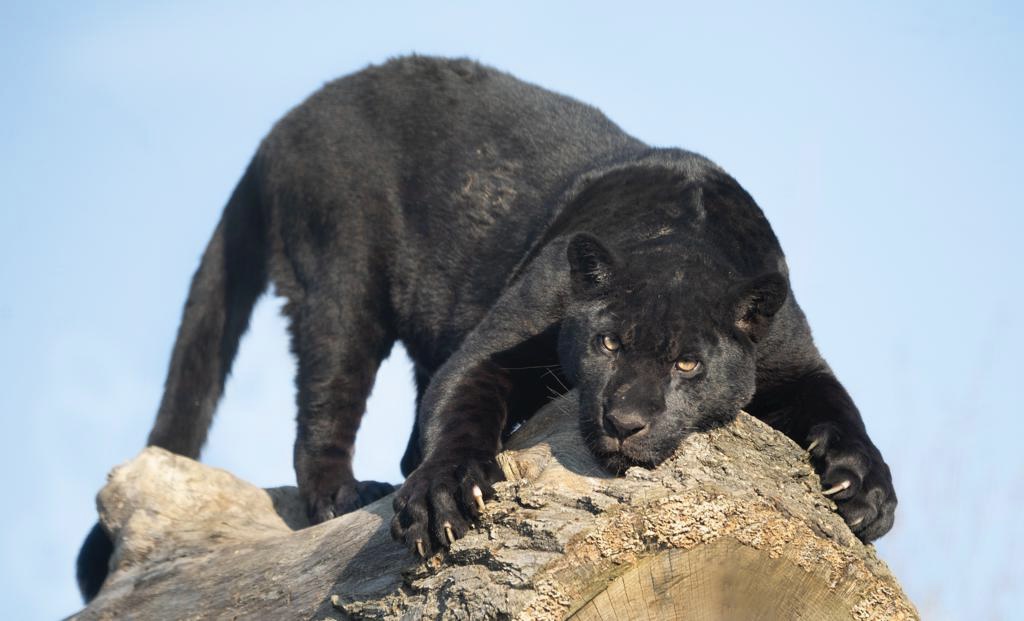
The leopard makes up one of the five ‘big cats’ in the genus Panthera. They are also the most persecuted of all the big cats, as they share their habitats with very large predators, often larger than themselves. They rely on their aggression, agility and formidable qualities in order to thrive in environments where there is danger everywhere.
The North Chinese leopard is one of the remaining 9 recognised sub-species of leopard. In 1998 the population was estimated around 1000 individuals. In 2015, is estimated a total population of 174-348 individuals Unfortunately, the distribution is highly fragmented and just a few individuals are isolated in nature reserves and in a remote areas. In 1998 the population is estimated about 1000 individuals. This subspecies have lost the 98% of his historical range distribution.
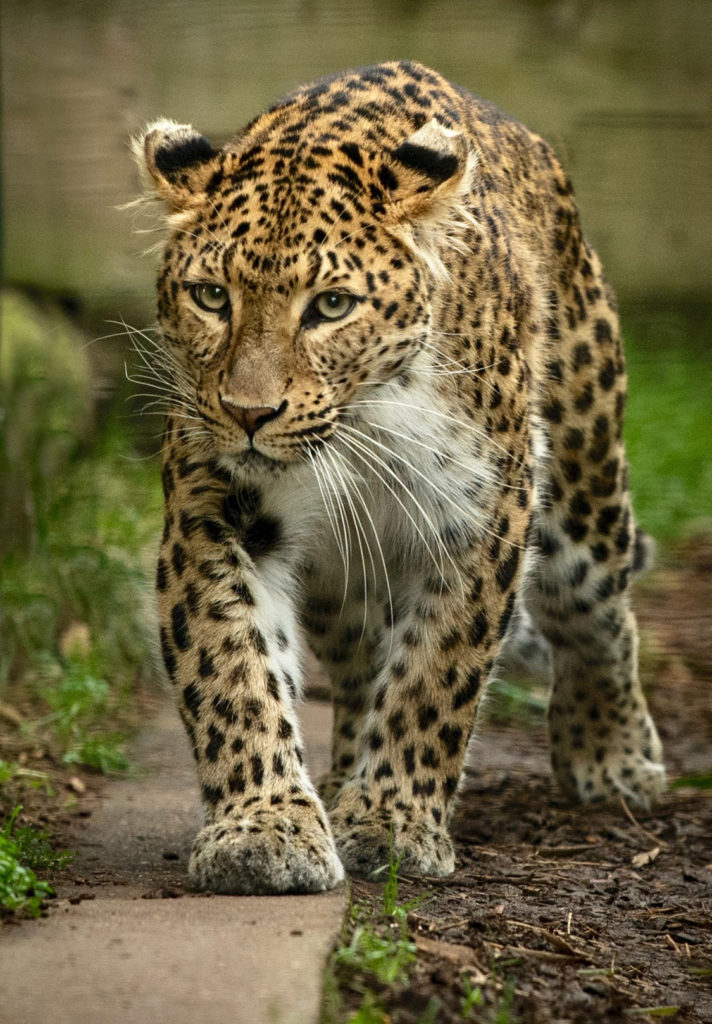
Compared to the other members of felidae, the leopard has relatively short legs, with an unproportionately large body and head. These incredible cats are capable of reaching speeds of up to 36mph.
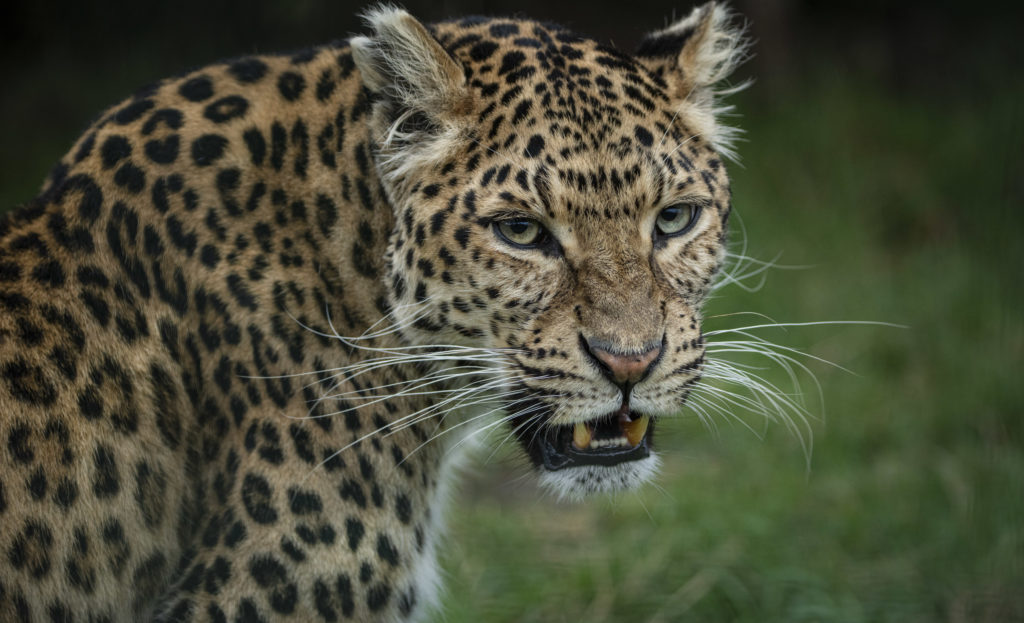
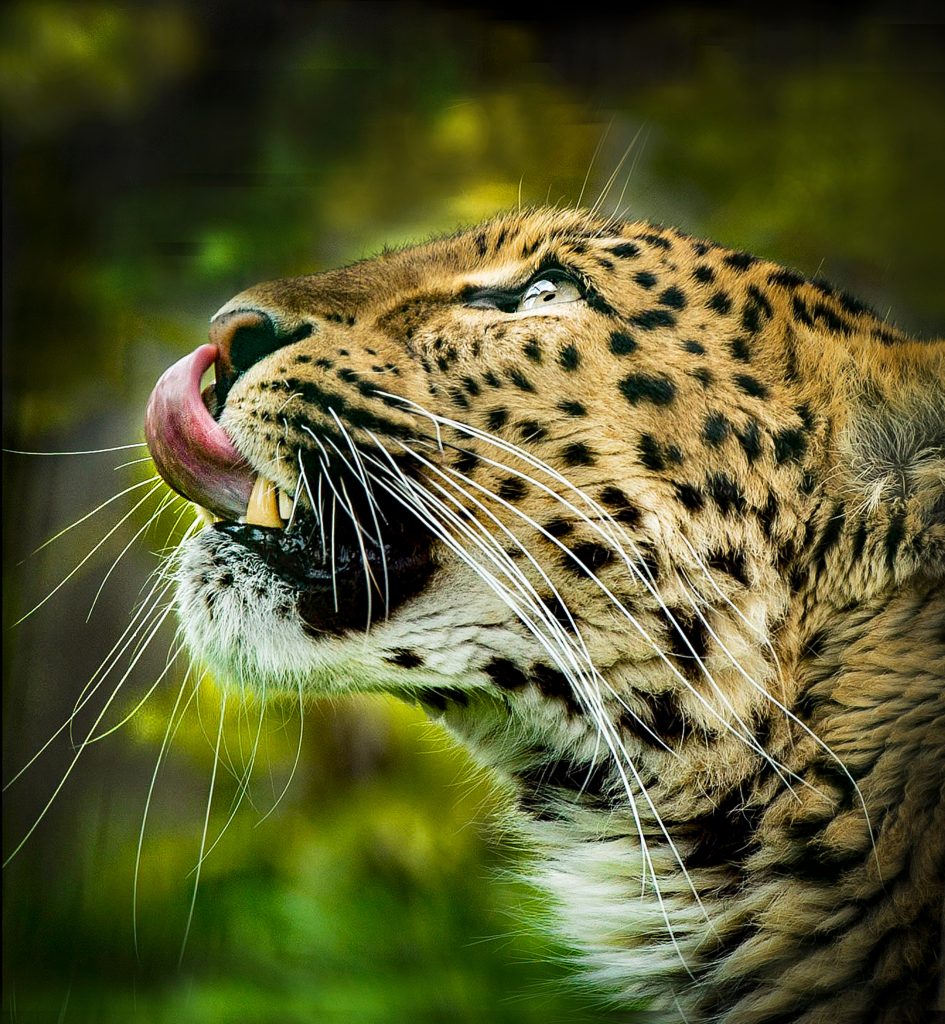
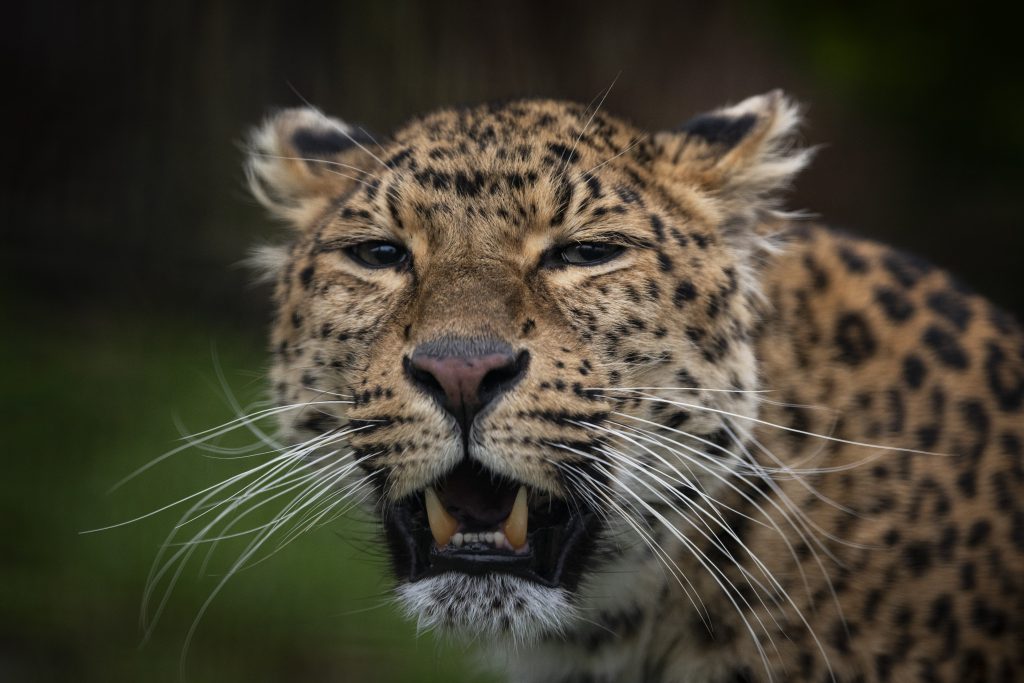
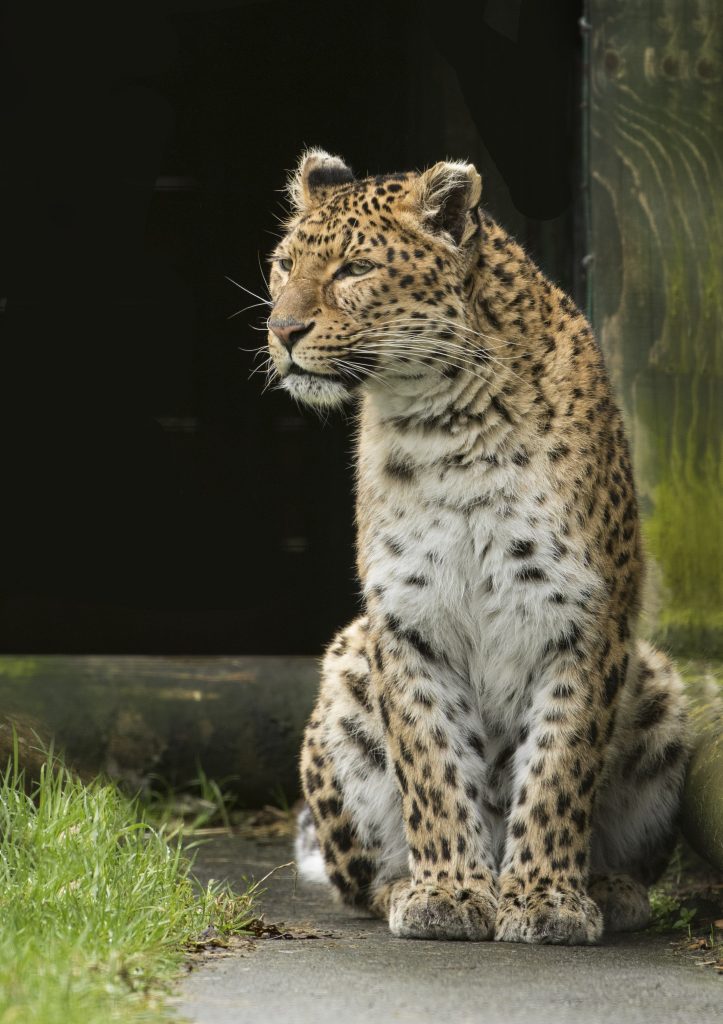
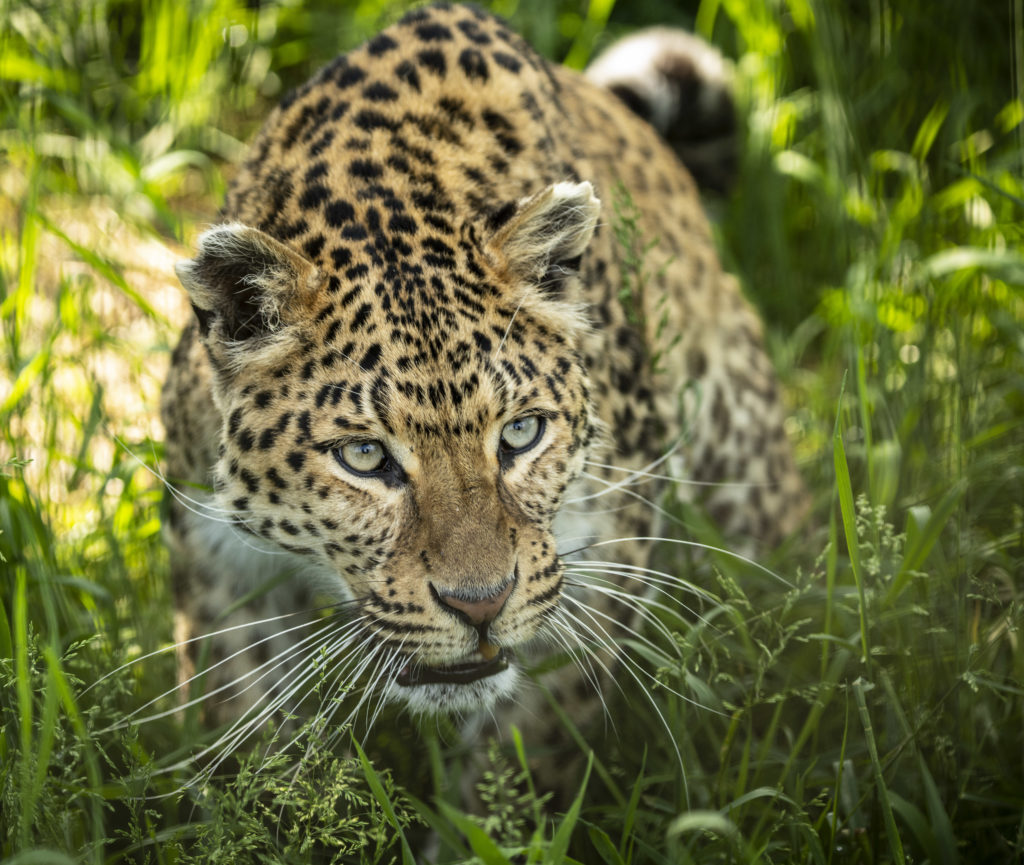
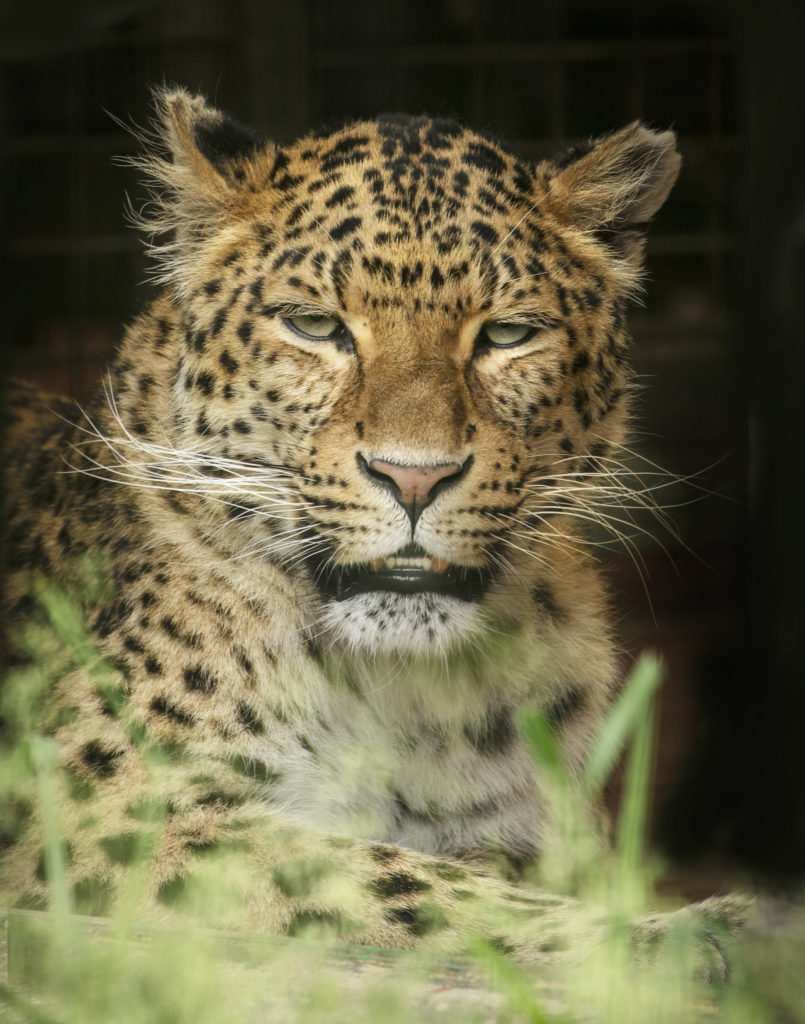
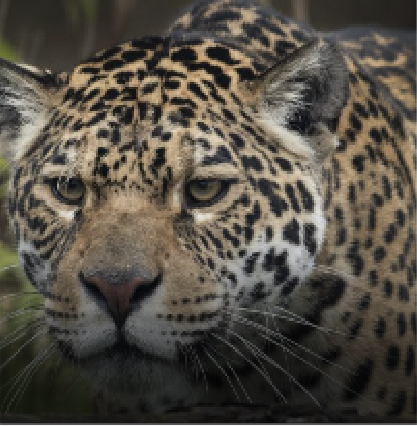
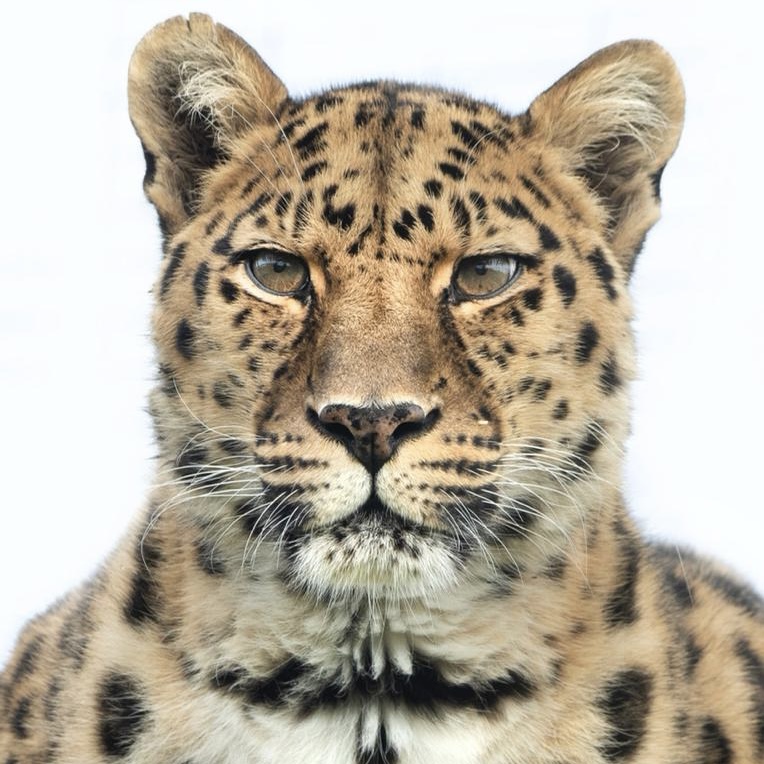
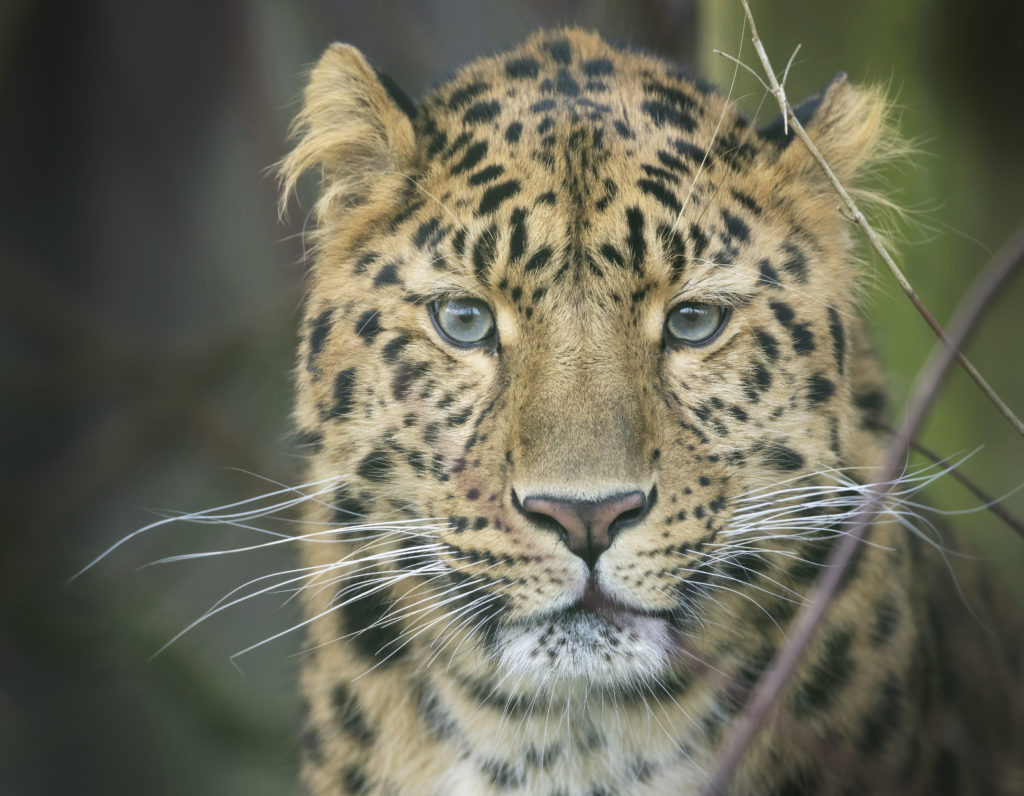
The coat pattern is very similar to that of a jaguar but the rosettes of a leopard are much smaller and densely packed. North Chinese leopards are physically very similar to the Amur leopard but the coats are a slightly different shade, being almost orange in colour for some individuals. The rich colours and markings of this subspecies of cat are truly stunning.
Their coat is slightly longer than that of the other subspecies due to their native habitat being one of very cold temperatures.
The range of the North Chinese leopard is very much depleted and the population survives in small, isolated patches. As with most of the leopard subspecies, threats include loss of habitat and being poached for the fur trade and traditional medicine. Although not the biggest carnivore in their habitat, they are very successful. Well camouflaged fur, opportunistic hunting behavior and the strength to move large carcasses into trees aid them in their survival.
Like the majority of the cat family, they are naturally solitary and thought only meeting when mating. However, research and data collection on these cats is not extensive, so we cannot be sure of their behaviours in the wild.